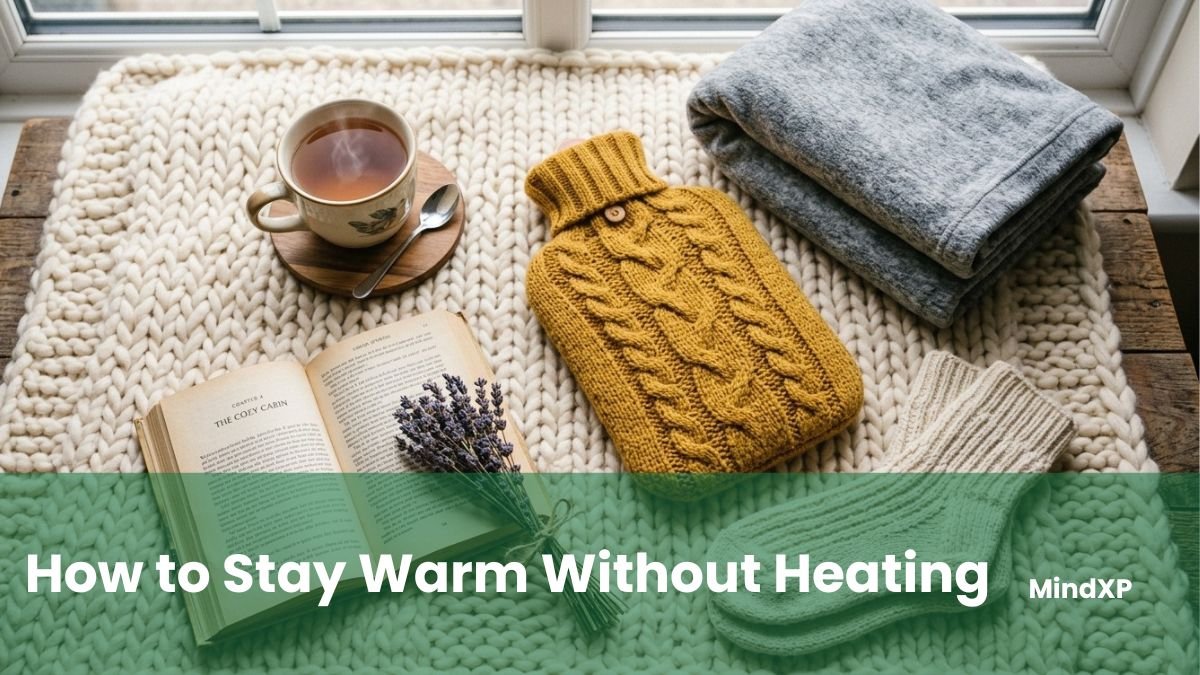
When high energy prices and cold weather collide, staying warm gets expensive quickly. It’s often a trade-off between cost and comfort, with most of us making sacrifices to keep the bills under control.
But if you take a few simple steps to prepare for cold days, you can stay toasty without running up an eye-watering charge. Below are 30 practical, money-saving tips for how to stay warm without heating in the UK.
Safety Reminder:
- Don’t let the temperature drop to unsafe levels. The NHS recommends 18°C minimum, especially for over 65s, under 5s, pregnant women, and other at-risk groups.
- Never use outdoor heating or cooking equipment indoors. They produce carbon monoxide, which is colourless, odourless, and can kill.
In this guide
30 tips on how to stay warm without heating
A good rule of thumb when struggling to stay warm is to focus on warming yourself rather than your home.
Roughly the first half of the list presents free or cheap options focused on warming the body, with slightly more expensive items that warm your environment at the back end.
1. Warm clothing
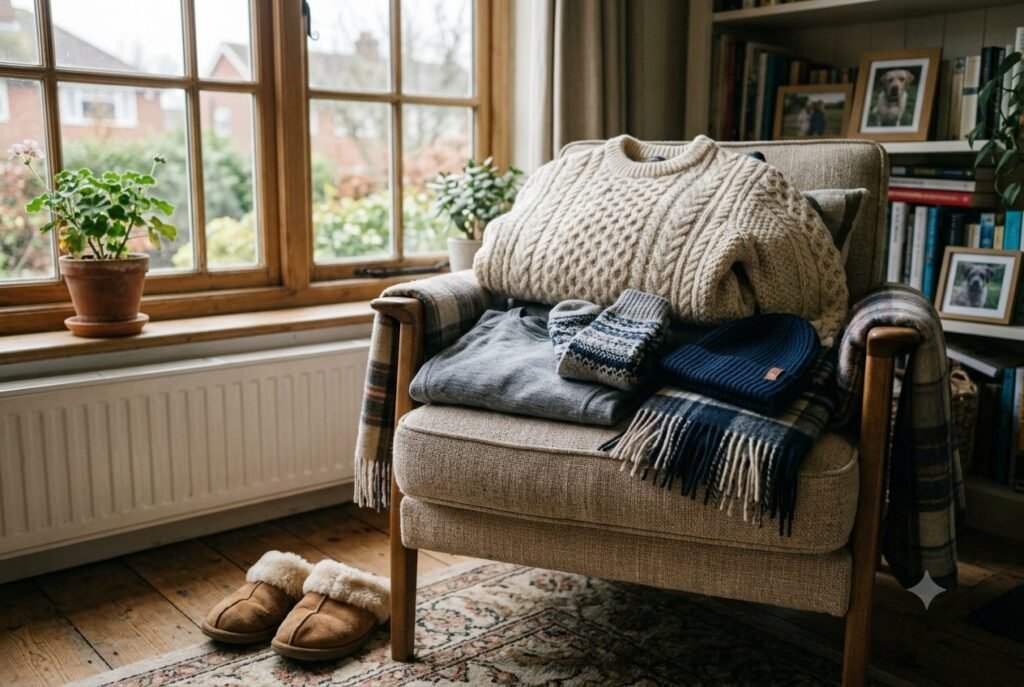
This is the cheapest and most obvious trick.
- Multiple thin layers. Don’t go for the thickest jumper – the air between layers does the insulating.
- Cover the extremities. Thick socks, enclosed slippers, and a hat and gloves if needed.
- Pick wool & fleece over cotton. They insulate even when damp, while cotton absorbs sweat and then pulls heat from your skin.
Choose loose-fitting items if you can so there’s enough room for the insulating air between layers.
2. Thermal base layers
This is a step up from regular warm clothing, providing more warmth without stacking layers.
- Thermal top & leggings under normal clothes. They sit snugly against your skin and keep you warm without the weight or discomfort of multiple layers.
- Buy merino if you can, synthetics if you can’t. Merino is a natural alternative to synthetic thermals like polyester. Merino stays fresh longer while synthetics trap odours. If price is the main concern, synthetics all the way.
There’s a wide range of thermals on Sports Direct starting at just a few quid.
3. Fleece or thermal pyjamas
Your core temperature drops as you sleep and you’re motionless for eight hours, so you’re producing the least heat at exactly the coldest point of the day.
- Fleece pyjamas or bedtime thermals. They protect your body heat if you get up in the night or your partner hogs the duvet.
- Add sleep socks. Cold feet can wake you up, while warm feet help your body wind down.
If the choice is between warmer pyjamas and a warmer bedroom, the pyjamas win: they’re a one-off cost that works every night, wherever you sleep.
4. Hot food & drink
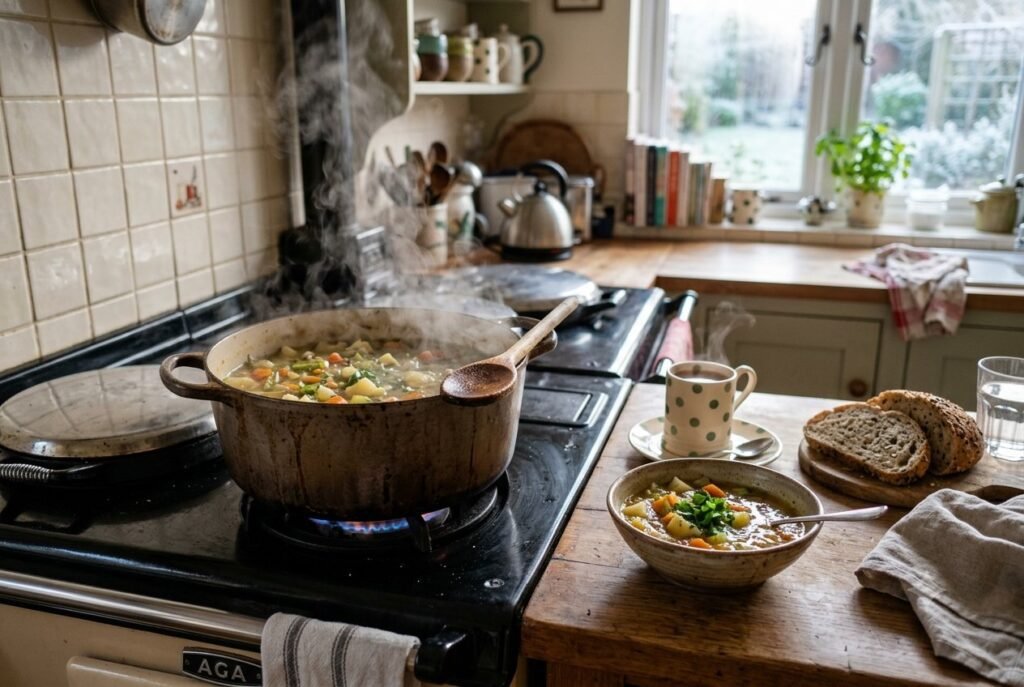
Hot food and drink keep you cosy, warm you from the inside, and provide calories your body burns to make heat.
- Eat at least one hot meal a day. Hot drinks in between keep the effect topped up.
- Soups, stews, & porridge. They’re cheap, filling, and easy to batch cook.
Cooking also adds a little heat to the environment too, which is a bonus.
If you’re dealing with a power cut and that’s why you can’t use the heating, check out this guide on how to cook in a power cut.
5. Hot water bottles
A few pennies to boil the kettle gives you hours of heat, which you can snuggle up to during the day or use to heat your bed at night.
- Always use a cover or a towel. Bare rubber against skin causes burns.
- Don’t fill straight off the boil. Boiling water degrades the rubber, so let the kettle sit for a minute first.
Hot water bottles are usually good for a couple of years. After that, the rubber degrades and can burst, so replace them if you notice any cracks, fading, or thinning.
6. Microwaveable wheat bag
My grandma always had clever old-fashioned solutions for everything, and this was one of her favourites for cold days. They’re basically little handheld bean bags you warm up in the microwave.
- Takes around 90s to heat, delivers 30m to 60m of warmth. Faster and safer than boiling water when you just want heat now.
- Targeted heating. Wheat bags mould around your neck, shoulders, and feet for proper contact.
They don’t hold heat as well as hot water bottles, but they’re faster and easier to heat.
Be sure to follow the manufacturer’s exact microwave timing to avoid burning the wheat. If you notice a burning smell, scorching, or charring, stop using the bag and discard it safely.
7. Blankets, blankets & more blankets
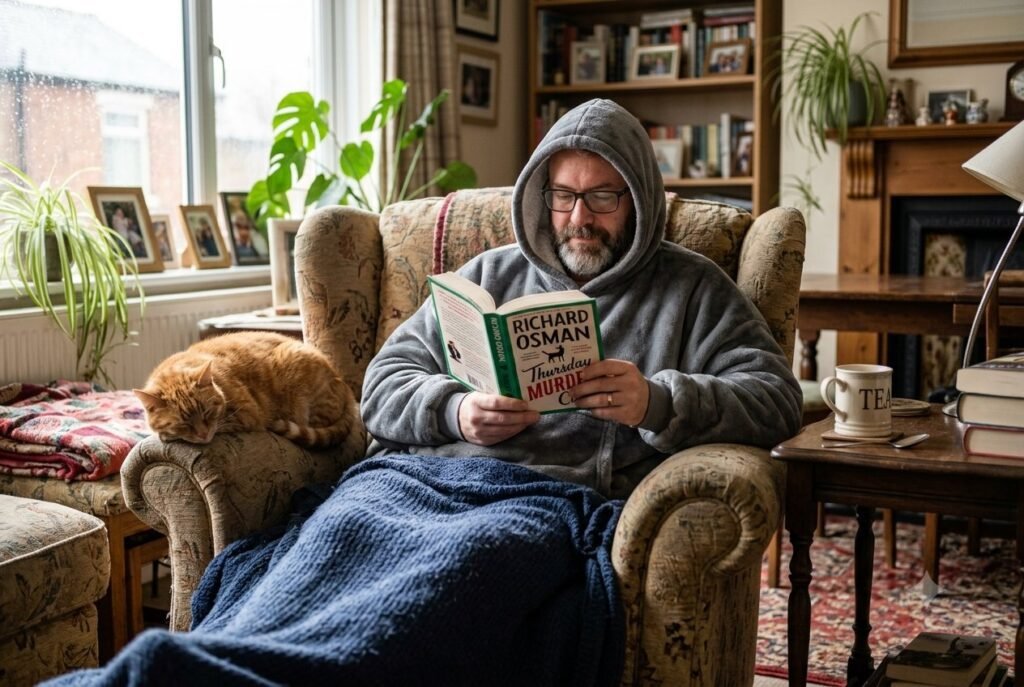
Gather as many blankets as you can from around the house and buy a few more if you need them. They turn a bitterly cold space into an indulgent little haven.
- Fleece underneath, heavy throw on top. Two thin layers trap more air than one thick blanket.
- One per seat you regularly use. Keeps your seat warm and saves you carrying blankets around.
You can get bargain blankets and throws all over the place, including charity shops, Home Bargains, B&M, and on Amazon.
8. Heat up your clothes
Waking up to a chill is uncomfortable and demotivating. It makes you not want to get out of bed at all. Knowing you’ve got some toasty clothes to slip into makes all the difference.
- Use the airing cupboard if you have one. A hot water cylinder warms clothes for free, and works even if you’re not heating any rooms.
- Or use whatever heat does run. Clothes over a radiator or airer while the heating’s timed burst is on, or draped near the oven while you batch cook.
- Tuck tomorrow’s clothes under the duvet before you shower. Your own residual bed warmth takes the chill off the fabric.
- Give socks and a jumper 30 seconds in the tumble dryer. A small luxury if you have one.
You’ll be especially thankful after a shower, as damp skin loses heat rapidly. Dry off and get into your warm clothes quickly to minimise discomfort.
9. Share warmth
A resting body gives off about the same heat as a 100-watt heater, so getting everyone together in one room puts that energy to good use.
- Share the sofa & blanket. Two bodies under one blanket heat the same trapped air, so both of you end up warmer than either would alone.
- Let the pets join. A dog or cat on your lap is a small radiator.
Huddling is free, which is why every species that winters somewhere cold does it. It also turns a cold evening in separate rooms into a cosy bit of family time.
10. Pop-up tent
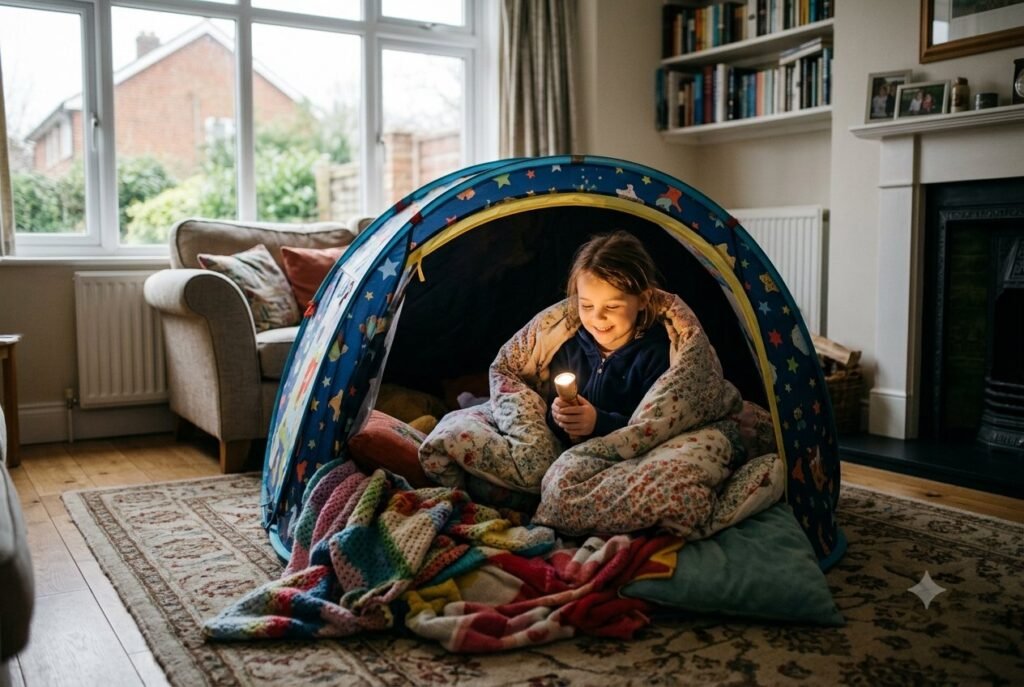
This can either be a fun way to keep the kids warm or a serious way to keep yourself warm if you’re being very strict with the central heating.
- Use a cheap pop-up beach tent. These are easy to set up in front of the TV and will keep the kids warm and entertained.
- Build a living room teepee. This takes a bit of DIY skill but it’s basically just a stick frame and a bedsheet.
Both rely on the same principle: heating a small space is quicker, easier, and cheaper than heating a big one.
11. Upgrade your bedding
The bed is the one place you can be warm all night for free, and bedding layers work exactly like clothing layers.
- Go up a tog, or double up duvets. A summer duvet under the winter one traps an extra layer of air.
- Switch to flannelette or brushed cotton sheets. The raised fibres feel warm on contact, where ordinary cotton feels icy for the first ten minutes.
- Slip a fleece blanket between sheet and duvet. A few pounds for a surprising amount of extra warmth.
Work through sheets, duvet, then top layer, and stop when you’re warm.
12. Insulate underneath, not just on top
Most people pile blankets on top and forget the cold mattress draining heat from below all night.
- Fit a fleece underblanket or mattress topper. This stops a cold mattress drawing heat from you all night.
- Or fold a blanket under the bottom sheet. The free version of the same fix.
Campers know this well: the ground steals more heat than the air, and a cold mattress works the same way.
13. Pick a winter room
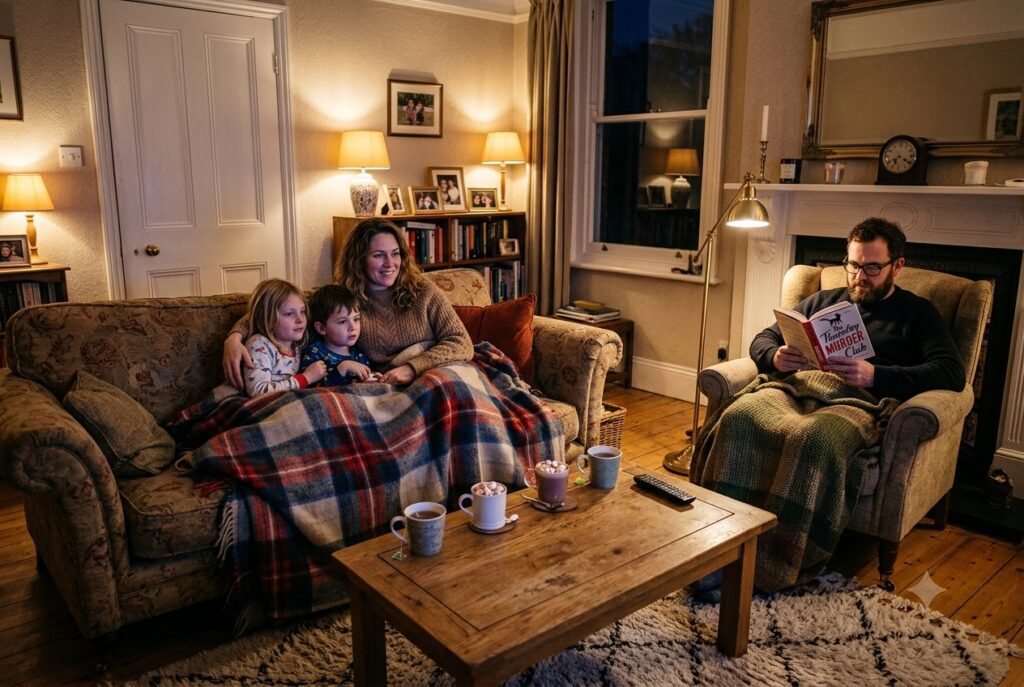
It’s a good idea to designate one room as your winter room and stack heating solutions. Pile up all your blankets, get everyone together, stick on a movie, eat some hot food; you’ll be snug as a bug in no time.
14. Sleep where the warmth is
If you do pick a winter room, consider sleeping in it too. You could even relocate your mattress and bedding for a few weeks in deep winter.
15. Rechargeable hand warmers
USB hand warmers charge like a phone and heat up in seconds.
- Expect two to six hours per charge. The electricity costs pennies.
- Warm hands warm everything. Heating your hands lets your body stop throttling circulation to protect its core, so the rest of you feels warmer too.
- Many double as power banks. Useful kit well beyond winter comfort.
The fact it doubles as a power bank is why we also included it in our power cut kit guide.
16. Electric blanket or heated throw
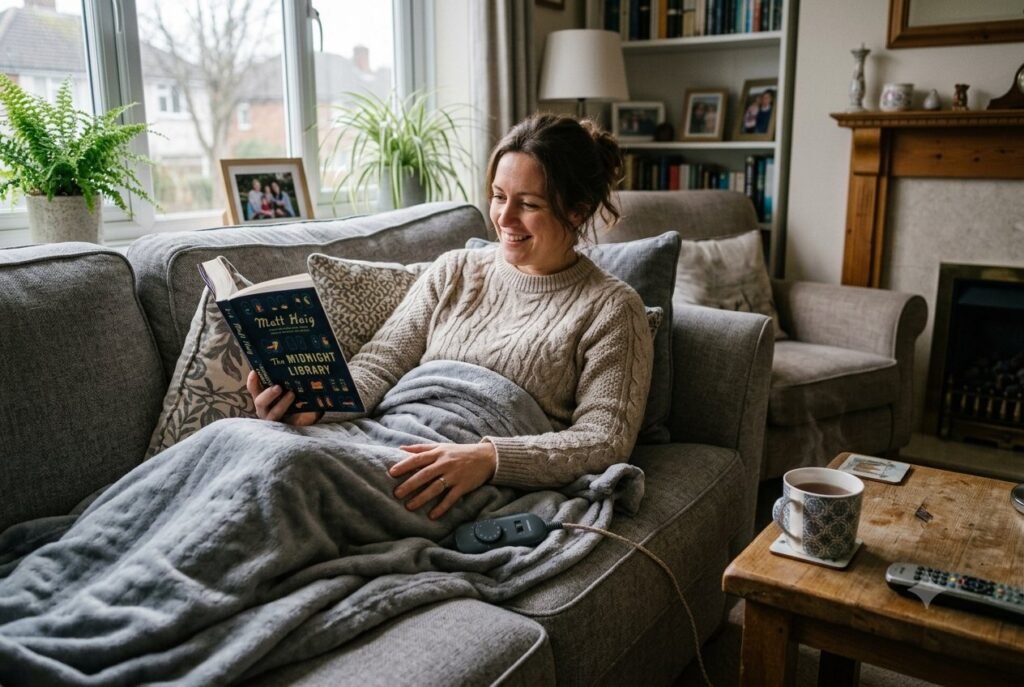
Same principle as the hand warmers, but in the form of a blanket. Whereas heat pads are for short-term, targeted heating to relieve aches and pains, electric blankets can be used safely for hours.
- Costs less than 5p an hour. Most throws draw 100 to 160 watts, priced at a typical unit rate of around 26p per kWh.
- 10x cheaper than a fan heater. A 2kW fan heater costs around 50p an hour for the same evening of warmth, because it has to heat all the room’s air instead of one human.
- Covers the whole body. Where a heat pad warms one spot, a throw does all of you, so it can genuinely replace the heating for a sofa evening.
Check for overheat protection and a timer before buying, follow the age guidance on electric blankets, and bin any with worn or creased wiring, because damaged wiring is how electric blanket fires start.
17. Electric heat pads
These are a therapeutic device more than a heating one, but cold weather often worsens aches and pains, so it’s a two-in-one solution.
You plug it in, rest it on your body, and it delivers heat.
- They’re super efficient. They cost about £20 up front and less than a penny per hour to run.
- Keep sessions short on higher settings. Healthline’s heat therapy guidance is to remove the pad after 15 to 30 minutes on a high setting to avoid burns, or up to an hour on low.
Be careful not to put your full weight on them or trap them in an enclosed space. Consider buying one with an auto shut-off timer for safety.
18. Heated clothing
Heated clothing includes items like jackets, gloves, and insoles with thin heating elements sewn in, powered by small batteries or a power bank.
- Can replace heating entirely. For desk workers and anyone with poor circulation, warmth that travels with you beats heating every room you move through.
- Cost pennies to run. The power bank recharges like a phone; the upfront cost is £30 to £100 plus depending on the garment.
Buy reputable brands with certified batteries only. Cheap unbranded lithium is a fire risk, and this one sits against your body.
19. Find & block draughts
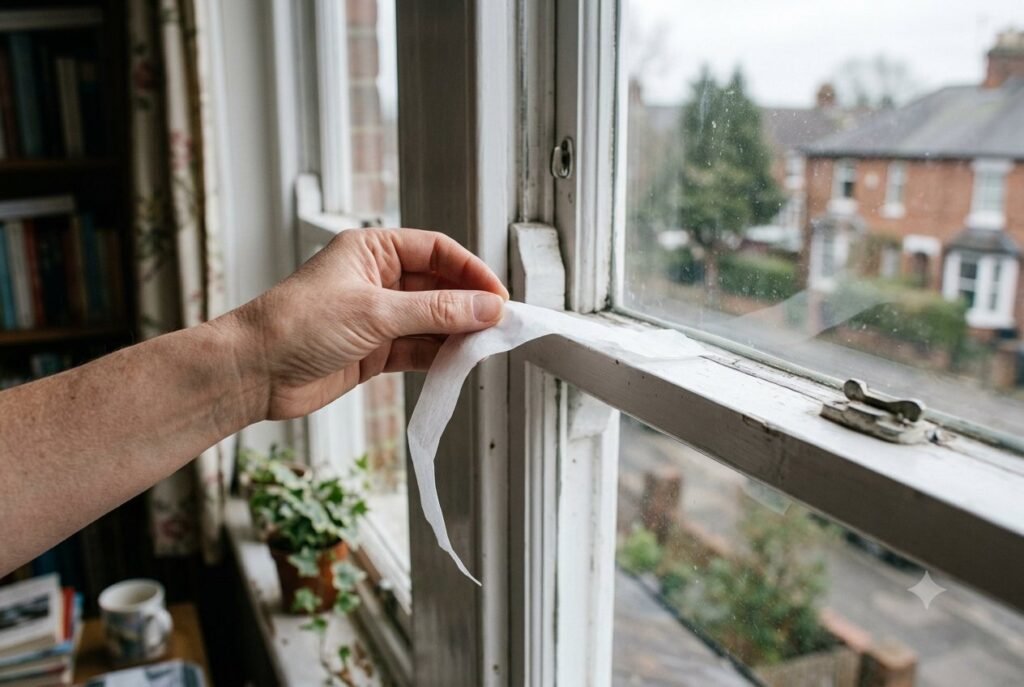
Draughts do double damage: they steal warmth from your house and the moving air makes it feel even colder than it is. Luckily, I have another clever tip courtesy of grandma.
- Take a lit incense stick or a strip of paper and hover it around window frames and door edges.
- Fix with cheap kit. Draught excluder strip, brush seals, keyhole covers, and door snakes cover almost every gap for a few pounds each.
You don’t have to buy anything if you get creative. Fill a football sock with dried rice and place it at the base of your door. Use rolled up towels for window sills and a piece of tape for keyholes.
20. Open curtains by day, shut them at night
Windows are the worst-insulated surfaces in your home, but it works both ways: you get sunshine and warmth by day, and they suck out the room’s heat at night.
- Open at sunrise, especially south-facing windows. Sunlight warms the room, and the walls and furniture store some of that heat into the evening.
- Shut every curtain at dusk. A closed curtain traps an insulating layer of air against the glass and stops the evening drain.
Blinds and even net curtains add something when closed, but the routine is the tip: it costs nothing, takes seconds, and works every day of winter.
21. Sit against internal walls
Cold, external-facing walls pull heat straight from your body. Internal ones bounce it right back.
- Move furniture away from external walls. Move them away from windows too – same principle.
- A shared wall is the warmest spot. A wall backing onto another heated or occupied room is the warmest surface available.
The difference is noticeable within minutes, and it costs nothing but furniture-shuffling. If you work from home, this is the first thing to fix about a cold desk setup.
22. Warm the bed before you get in
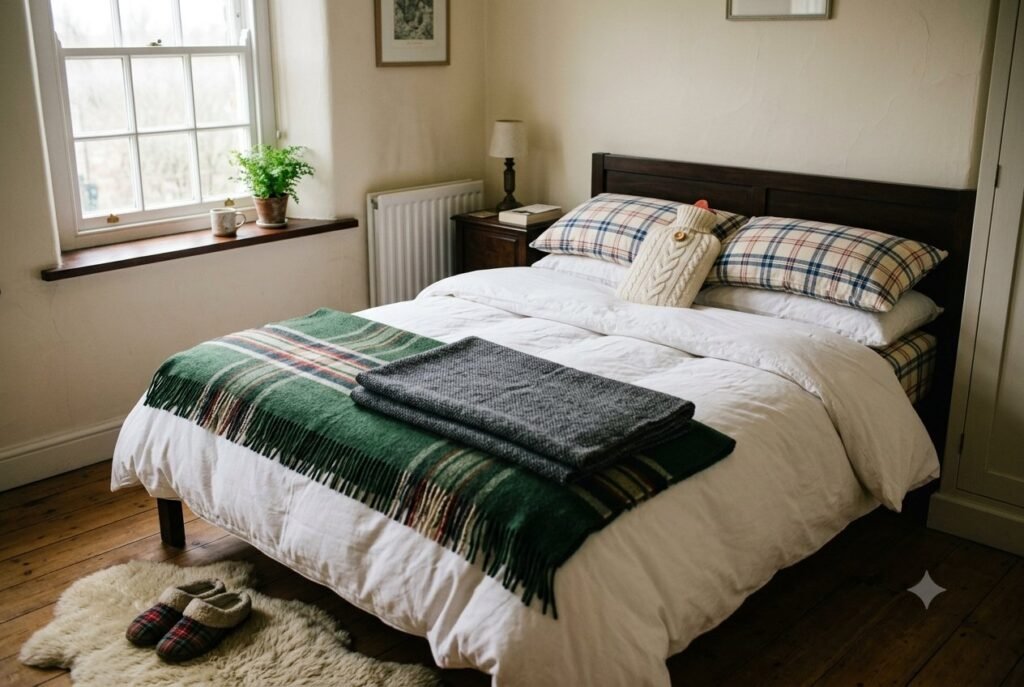
A cold bed forces your body to spend its first hour heating the mattress and bedding.
- Put a hot water bottle at your feet 20 mins before bed. Feet first, because that’s where cold hits hardest.
- Run an electric blanket for 15 mins & switch it off. At a typical unit rate of around 26p per kWh, that costs well under a penny a night.
You climb into warmth instead of paying for it with your own body heat.
23. Heat the room when you cook
This was my go-to when I lived in a converted mill studio apartment during winter. My living room was right in front of the kitchen, so I’d finish cooking and leave the oven door wide open.
It doesn’t make a massive difference, but it’s a blast of hot air that would otherwise go to waste. If you’re batch cooking, a big pot of soup, porridge, or stew on the hob would have an even greater effect.
And, to state the obvious, don’t cook for the sake of heat. It’s expensive, and with gas it’s a carbon monoxide risk.
24. Rugs on hard floors
Bare floorboards and tiles conduct heat straight out through your feet, and suspended timber floors leak draughts through every board gap.
- Lay a thick rug where you sit and stand most. It’s insulation exactly where your body touches the coldest surface, and on a suspended floor it blocks draughts too.
- Start under the sofa & beside the bed. Those are the two places bare feet meet cold floor every day.
Charity shops, carpet offcuts, and rug remnants all work; this is about coverage, not decor.
25. Door curtains
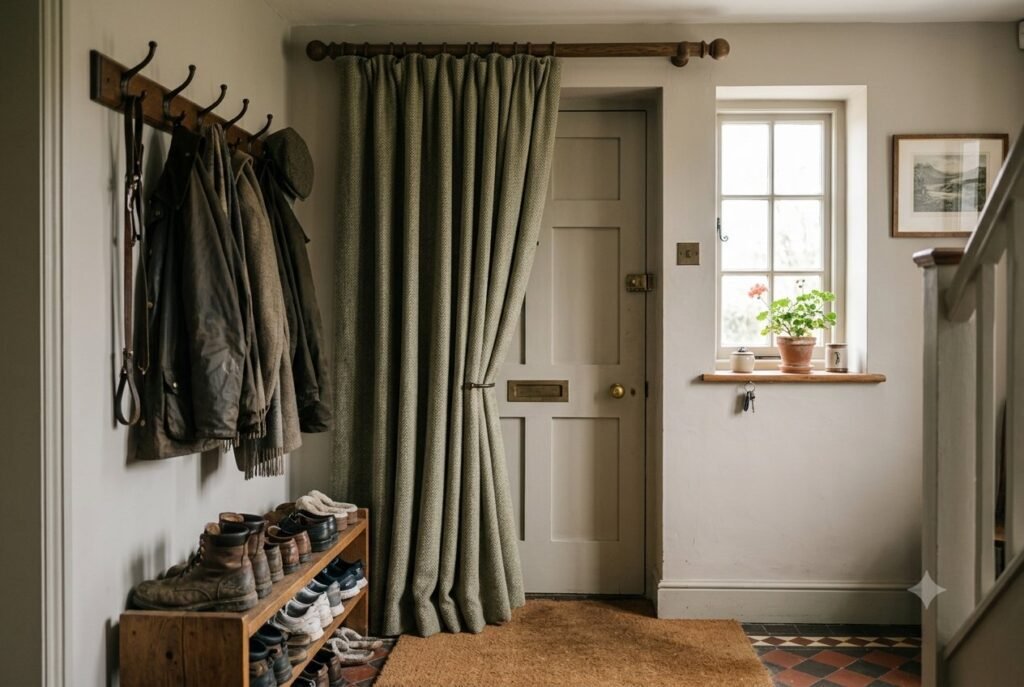
Hang a heavy curtain over your front door to stop cold air coming in when someone uses it and to stop warm air leaking out all day.
- Cheap & effective. Costs virtually nothing, works immediately.
- Consider using on other doorways. You can use the same technique to trap warm air in the living room or your winter room if you’ve made one.
This is an old fix from the days before central heating, and it survives because it works.
26. Insulated curtains
These are for your windows. Thermal or interlined curtains have an extra layer sewn in, which puts an insulating barrier between you and the cold glass.
- Overlap the wall on both sides and reach the sill or floor. Gaps let the cold air pooling behind the curtain spill back into the room.
- Keep them clear of radiators. A curtain hanging in front sends the radiator’s heat up behind the fabric and out through the glass.
Fit matters more than fabric: a beautifully lined curtain hung badly loses to a cheap one hung well.
27. Chimney balloons
A chimney balloon is an inflatable blocker you push up the flue and inflate until it seals. This stops warm air escaping through an unused chimney.
If you do install one, always remove it before lighting a fire, and if the fireplace is permanently unused, a professional cap at the top does the same job for good.
28. Window insulation film
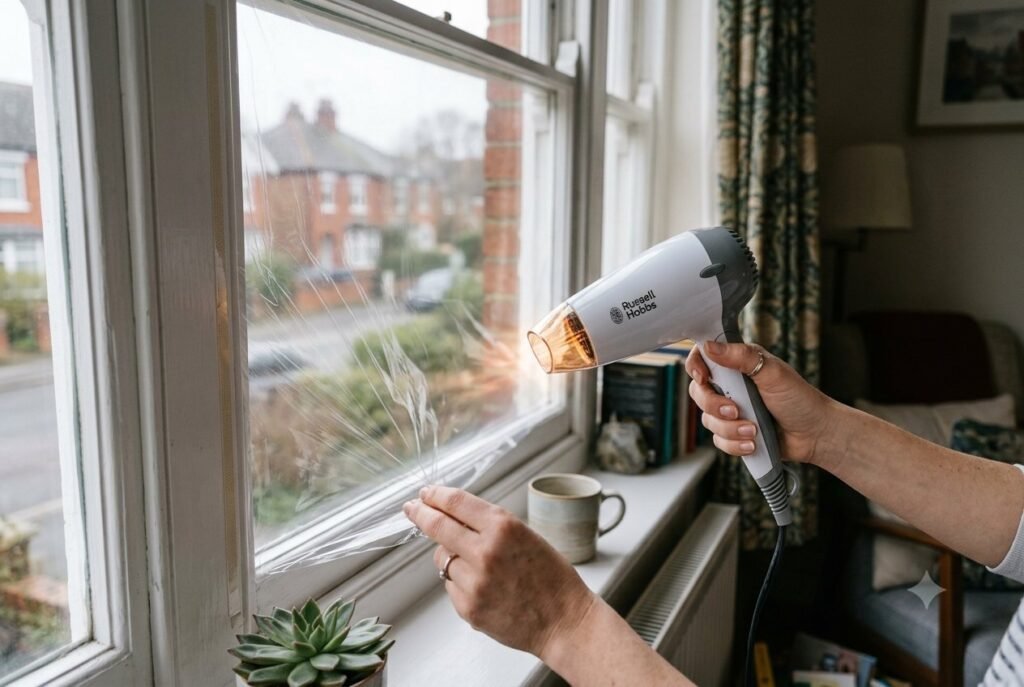
Secondary glazing film is a clear plastic sheet you tape across the window frame and shrink tight with a hairdryer until it’s invisible. The trapped air gap between film and glass does the insulating, the same mechanism as real double glazing, for a few pounds per window.
- A single-glazed window’s cheapest upgrade. It also cuts condensation on the glass, because the inner surface stays warmer.
- Peels off clean in spring. Perfect for renters and anyone not ready to replace windows.
Fit it on still, dry days and clean the frame first, because the tape needs a good seal to hold the air gap through winter.
29. Reflect heat from radiators
Reflective panels are foil sheets that slide behind the radiator and bounce that heat back into the room, so if you do run the heating occasionally, every degree does more.
- Fit panels behind radiators on external walls only. Internal walls pass the heat to another room anyway, so they don’t need them.
- Clear the front too. Sofas and curtains in front of a radiator absorb the heat before it reaches the room, so you pay for warmth the sofa enjoys.
Both are one-off jobs that pay back every single hour the heating runs for the life of the house.
30. An efficient electric heater
Sometimes you need a bit of heat on demand. A small and efficient electric heater does the job for a lot less than central heating.
- Oil-filled radiator for your winter room. On a thermostat it cycles on and off instead of drawing full power all evening.
- Small fan heater for quick blasts only. Ten minutes in a bathroom is its job; run for hours it’s the most expensive option in the house.
- Always use the thermostat and timer. The heater should only draw power when the room needs it.
Keep any heater a metre clear of curtains and bedding, and never dry clothes on it. Blocked airflow is how heater fires start.
If you’re really struggling…
Cold homes cause real harm, and there’s support available that many eligible households never claim.
- Warm Home Discount: a one-off £150 discount applied directly to your electricity bill if you’re eligible.
- Cold Weather Payment: £25 for each seven-day period where the average temperature in your area is at or below freezing, paid automatically to those who qualify.
- Winter Fuel Payment: an annual payment towards heating bills for pensioners.
- Your energy supplier: suppliers must offer support if you’re struggling to pay, including payment plans, and several run hardship funds and grants.
If your home is dangerously cold and you can’t resolve it, speak to your GP, your council, or Citizens Advice sooner rather than later. The NHS is clear that cold homes are linked to heart attacks, strokes, pneumonia, and depression, and this is a health issue, not just a comfort issue.
Stay prepared, stay warm
Keep it simple:
- Start by heating yourself. Layers, hot food, a hot water bottle, or a heated throw.
- Then fix your bed. Warm it before you get in and insulate underneath as well as on top.
- Then stop the leaks. Block draughts, cover the windows at dusk, and plug unused chimneys.
- Then shrink the space. Pick one winter room and pour every fix into it.
Do that much and you’ll be comfortable in conditions that had you reaching for the thermostat last winter.
If you’re looking to build more household resilience in general, check out our emergency preparedness guide for beginners. It covers how to stay safe and comfortable in all common UK emergency situations.
How can I keep warm without heating?
The best way to keep warm without heating is to warm your body directly instead of the room: layer thin clothing, cover your feet, head, and hands, and use a hot water bottle, wheat bag, or heated throw. Then stop the heat you have from escaping by blocking draughts, closing curtains at dusk, and basing yourself in one small room.
What’s the cheapest way to heat a room without electricity?
The cheapest way to warm a room without electricity is sunlight and trapped heat: open the curtains on south-facing windows during the day, then close them and block draughts to keep that warmth in. In a small, well-sealed room, the body heat of the people and pets inside raises the temperature further. Never use camping stoves, barbecues, or patio heaters indoors, because they produce lethal carbon monoxide.
How do I stay warm without heating at night?
To stay warm at night without heating, warm the bed before you get in with a hot water bottle or 15 minutes of an electric blanket, insulate under the mattress and over yourself, and wear fleece pyjamas and sleep socks. A higher-tog duvet with a fleece blanket layered beneath it holds heat until morning, and sleeping in a smaller room helps too.
Is it cheaper to leave the heating on low all day?
No, for most homes it’s cheaper to heat only when needed. Heat escapes faster the warmer your house is compared with outside, so keeping it warm around the clock means paying for that loss around the clock. Use a timer or thermostat so the heating runs only when you need it. The one debated exception is very well-insulated homes with heat pumps, which are designed to run steadily at low temperatures.
How do I stop my house being so cold?
To make a cold house warmer, start with the free fixes: open curtains for sun during the day, close them at dusk, block draughts around doors, windows, letterboxes, and unused chimneys, and put rugs on hard floors. Then add cheap improvements such as window insulation film, door curtains, and radiator reflector panels. If poor insulation is the root cause, check whether you qualify for a government insulation grant before paying for work yourself.
What’s the lowest safe temperature for a home?
The lowest safe temperature for a home is 18°C in the rooms you regularly use, according to NHS guidance. It matters most for people over 65, children under 5, pregnant women, and anyone with a long-term health condition, because cold homes are linked to heart attacks, strokes, and pneumonia. Healthy adults can tolerate cooler rooms, but 18°C is the benchmark to aim for in the rooms you live and sleep in.

Professional writer and editor. Founder of MindXP, helping UK households prepare for power cuts, storms, and supply disruptions.